IFIP Accreditation
International recognition that inclusion lives in the daily life of a school or college.
-
Global validation
Inclusive practice verified to a global standard.
-
Continuous development
Guidance that fits the school's own context.
Trusted across more than 140 countries
IFIP works with UNESCO, UNICEF, and the G20 education track. Accreditation is for the school as a whole.
This is not an inspection. It is a supportive dialogue that validates a school's culture and maps a path for development.
Seven stations of inclusion
The framework looks across the life of the school, not a single policy document.
-
Resources
The people, time, and materials the school puts towards inclusion.
-
Methods
How teaching and support are organised from day to day.
-
Society
How the school works with families and the community around it.
-
Physical environment
Whether the buildings and spaces work for every learner.
-
Policy
The written commitments, and whether daily practice follows them.
-
Leadership
Who holds inclusion, and how decisions are made.
-
Mindset
The beliefs about belonging that show up in ordinary moments.
Three levels
Schools start where they are. Each level is a different kind of review.
-
1
Foundation
A desktop review of documentation and self-evaluation, for schools at the start of the journey.
-
2
Certified
Assessed by a local accreditor, for schools actively developing a culture of inclusion.
-
3
Global
Assessed by an international member of the IFIP leadership team, for schools with an embedded culture of inclusion.
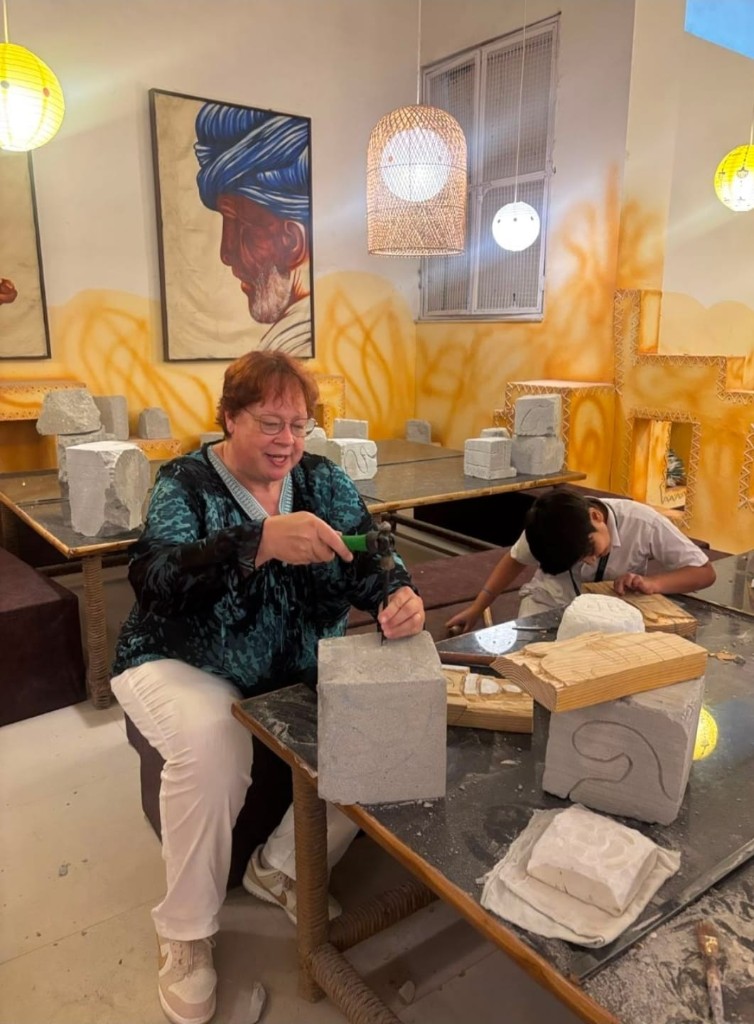
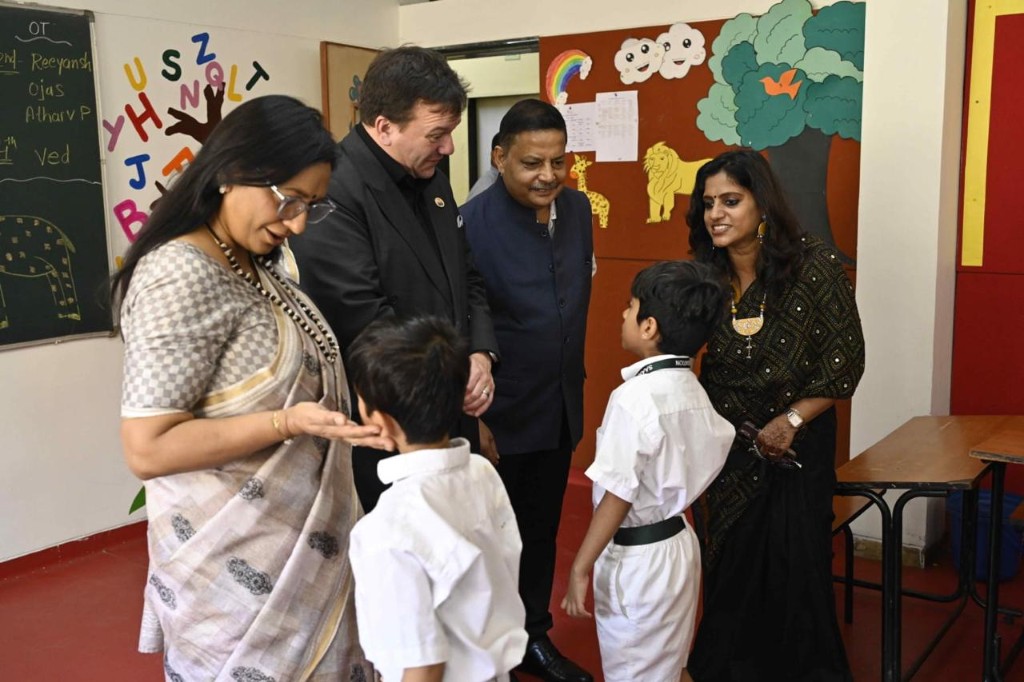
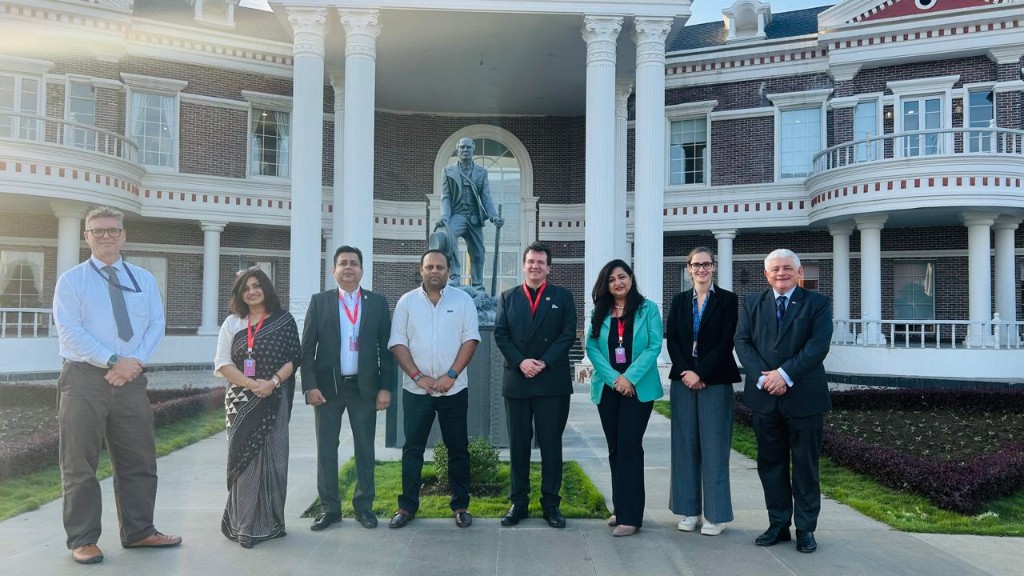
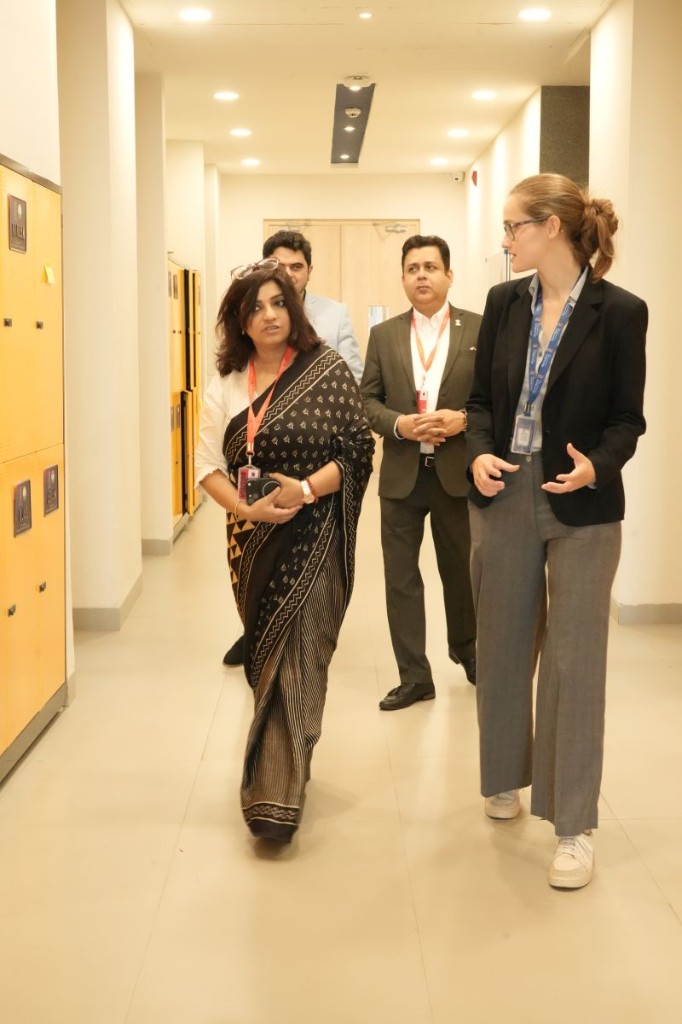
IFIP Educational Accreditation gives international recognition that inclusion lives in an organisation's daily practice. The framework is designed for schools and colleges that want their commitment to 'belonging and learning for all' verified to a global standard and is built on visits to schools all around the world. It is not an inspection, but a validation of the lived experience of management, staff, students and parents. Our accreditors work with schools to celebrate their successes as well as suggesting practical ways to enhance the culture of inclusion.
Helen Claus-Willemsen
Global Director of Accreditation
Thank you for the opportunity to be part of the IFIP accreditation process. We are truly honored by the prospect of becoming a IFIP accredited school in Nigeria.
Our IFIP accreditation journey gave us an opportunity to reflect on our practices, recognize areas for growth, and strengthen our approach to inclusive education.
It reminded us that inclusion is not a one-time achievement, it's a continuous journey of learning and improvement.
Well done to our school community for achieving this honour - recognition of the considerable hard work of all our staff; their vision and passion to provide the very best for 100% of children.
IFIP gives us the opportunity to move beyond compliance towards a culture of genuine belonging, equity and continuous improvement.
Accreditation fees
How the price is set
Fees follow World Bank income classifications. Choose a country and a level. Amounts are shown in GBP, with an approximate local figure where a rate is available. Fees are exclusive of local taxes.
IFIP Schools
Schools in the IFIP accreditation community worldwide.
Published schools in … countries.
Frequently asked questions
Is this an inspection?
No. It is a rigorous, supportive, collaborative dialogue that validates culture and maps pathways for long-term development.
What is assessed?
A school is looked at across seven stations: Resources, Methods, Society, Physical Environment, Policy, Leadership, and Mindset.
What are the three levels?
Foundation is a desktop review. Certified is assessed by a local accreditor. Global is assessed by an international member of the IFIP leadership team.
How does renewal work?
Renewal is a biennial checkpoint on the accreditation platform.
Where do I register?
Registration and renewal run on the dedicated accreditation platform at accreditation.ifip.group.
How is accreditation different from the IFIP Fellowship?
Fellowship recognises individual practitioners. Accreditation verifies organisation-wide inclusive practice across the seven stations. They are separate programmes and accounts.