
Skip to content

IFIP Education Innovation Council

Please select your organisation type

Few educational organisations have a seat at the table where global education policy is shaped.

The IFIP Education Innovation Council opens that door: for schools, universities, trusts, and innovation leaders worldwide.

Founding cohort engagement begins at UNESCO Headquarters, Paris

The EIC is an IFIP programme. UNESCO engagement is via IFIP partnerships; participation is subject to selection and event protocols — not a UNESCO membership programme.

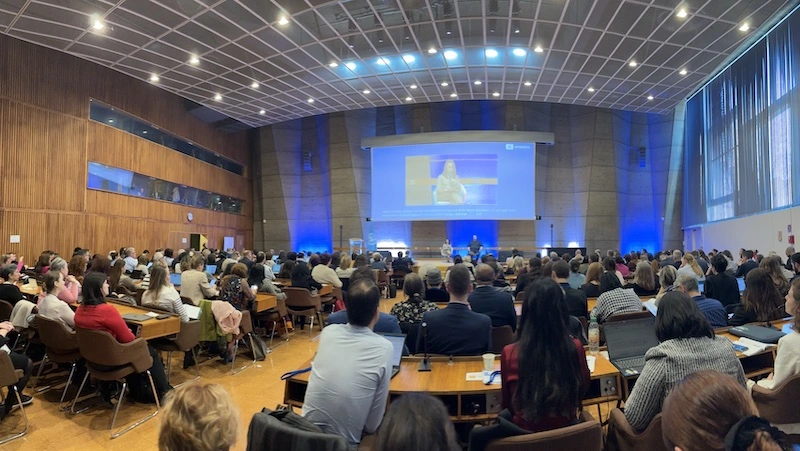
International education forum at UNESCO Headquarters

The Council

About the Council

Practitioner voice

Bringing together a carefully selected group of educational leaders, institutions, policymakers, researchers, international organisations, and industry partners, the Council exists to ensure that practitioner perspectives are represented within discussions about artificial intelligence, innovation, inclusion, and the future of learning.

Founding cohort

For members of the founding cohort, the first opportunities for engagement will take place at UNESCO Headquarters in Paris. From there, members will participate in a year-round programme of international dialogue, consultation, and collaboration designed to connect universities, teacher education institutions, schools, and trusts with some of the most influential ideas, organisations, and individuals working in education today.

Why join

Contribute practitioner insight to global dialogue on AI, innovation, and inclusion — with UNESCO-linked opportunities, year-round engagement, and IFIP Associate membership including access to the IFIP Portal.

At a glance

Membership is selective. Applications are welcomed from schools, universities, trusts, and educational leaders who wish to contribute seriously to international discussions about the future of education.

What

Practitioner advisory forum on innovation, AI, inclusion, and future learning

Time

Typically around 1–2 hours per month

IFIP Associate

All successful members enrolled as Associates, with optional fast-track to Fellowship

Membership year

1 August – 31 July

Governance

Governed by IFIP; practitioner-led advisory council

Corporate

Corporate membership and sponsorship are separate pathways

UNESCO

Founding cohort: UNESCO-linked opportunities in Paris (subject to selection)

How to join

Apply online; selective founding cohort

Why it matters

Bridging policy and practice

Governments are investing in artificial intelligence, digital transformation, workforce development, wellbeing, accessibility, and future skills. International organisations are developing frameworks and guidance. Universities are expanding research. Industry is investing heavily in educational technologies and innovation.

The Education Innovation Council has been established to help bridge that gap.

The Council provides a forum through which practitioners can engage directly with policymakers, researchers, industry leaders, and international organisations. It enables educational leaders not only to understand emerging developments but also to contribute to the conversations shaping them.

Founding Cohort Opportunities

The founding cohort will have access to a number of significant opportunities during the first year.

UNESCO Digital Learning Week

UNESCO Headquarters, Paris

Digital Learning Week is UNESCO's flagship international gathering focused on artificial intelligence, digital transformation, innovation, and the future of education. The event brings together ministers, senior government officials, international organisations, researchers, technology leaders, and educational institutions from around the world. IFIP has been invited to contribute practitioner perspectives within these discussions. Members of the founding cohort may be considered for participation.

UNESCO Strategy Lab

UNESCO Headquarters, Paris

The UNESCO Strategy Lab is a closed-door working forum involving UN agencies, international organisations, invited experts, and strategic partners. Its purpose is to identify priorities, explore emerging challenges, and inform future programmes of work. IFIP has been invited to contribute practitioner testimony and participate in these discussions. Participation opportunities are expected to be limited and subject to selection.

The EIC is an IFIP programme. UNESCO engagement is via IFIP partnerships; participation is subject to selection and event protocols — not a UNESCO membership programme.

Annual Programme of Engagement

The Education Innovation Council has been designed as a year-round programme rather than a single event.

Members will be invited to participate in a range of activities, including:

Monthly international dialogues
Global strategy discussions
UNESCO-linked consultations
Industry briefings and innovation showcases
Practitioner testimony and evidence gathering
International publications and reports
Specialist discussions on AI, innovation, inclusion, and future learning
Opportunities to engage with IFIP specialist networks and advisory groups
World Inclusion Congress activities and events

The precise programme will evolve throughout the year in response to emerging developments and opportunities.

Common questions

Short answers below; the EIC Handbook covers structure, membership, and participation in full.

Can a university or trust apply, or is this only for schools?

Yes. Institutional membership is open equally to schools, universities and teacher education institutions, trusts and school groups, and other educational organisations.

What IFIP membership do I receive?

Successful members are enrolled as IFIP Associates with access to the IFIP Portal. You may optionally apply for a fellowship grade through a fast-tracked pathway when ready.

Do I need to be an IFIP Fellow already?

No. IFIP Fellowship is not required to apply. Existing Fellows who join retain their Fellowship grade and may qualify for member discounts when applying through the Fellows' portal.

How much time does membership require?

Typically around one to two hours per month — monthly dialogues, light preparation, and occasional follow-up. UNESCO-linked opportunities are subject to separate selection.

Where can I read more?

Download the EIC Handbook for membership categories, governance, programme detail, and the full FAQ.

Who Should Apply?

Applications are welcomed from:

School leaders Principals and Headteachers Educational institutions Universities & teacher education Trusts & school groups System leaders Trust and network leaders Innovation leaders Senior practitioners

Applicants should have a genuine interest in educational innovation, inclusion, emerging technologies, future learning, and international collaboration.

Most importantly, applicants should be willing to contribute as well as benefit.

The Council has been established as a forum for dialogue, insight, and contribution rather than passive membership.